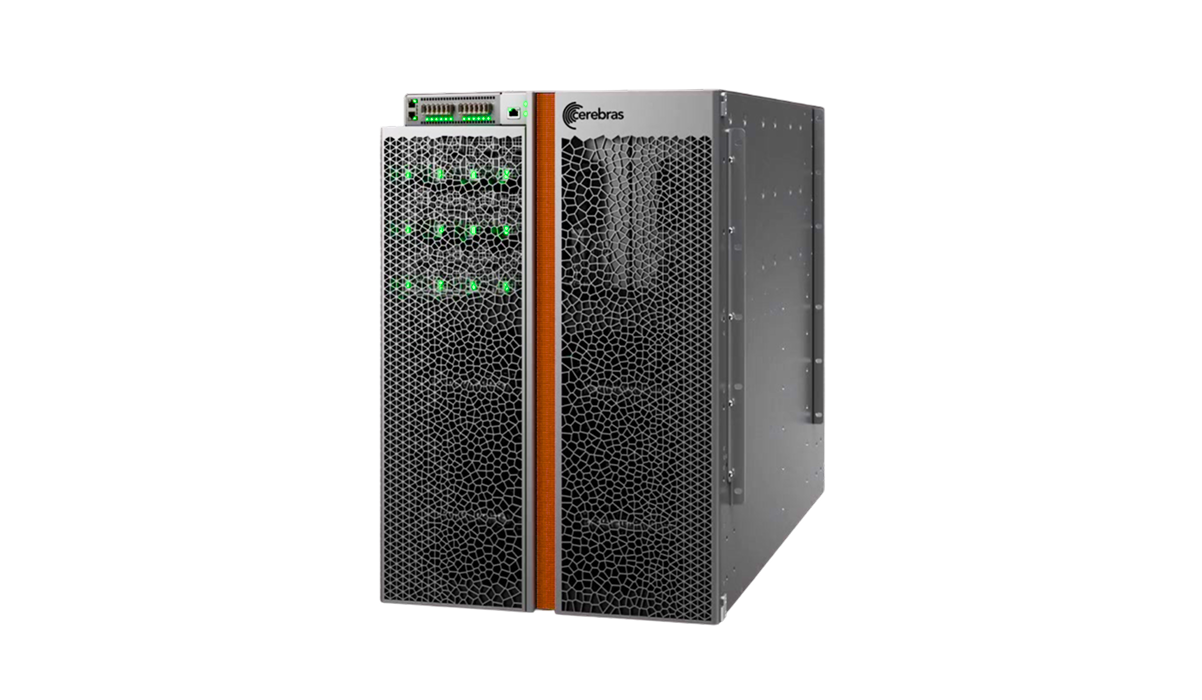
Chips & Compute
Cerebras moves from venture financing to public markets and cloud customers
The chipmaker’s Series H, IPO and OpenAI capacity agreement connect a processor architecture to the larger challenge of financing and delivering inference.
A model laboratory, a humanoid developer and a shipbuilder are absorbing capital for different reasons. Their financing announcements reveal three distinct routes from research to repeatable revenue.
Read the analysis ↗
The chipmaker’s Series H, IPO and OpenAI capacity agreement connect a processor architecture to the larger challenge of financing and delivering inference.

The June 2026 closing followed a March financing announcement that combined equity and preferred capital. The strategic question is how simulation changes Hivemind development and customer adoption.
The company’s research on agent use adds evidence about changing workflows, but funding scale does not reveal the cost of completing a dependable customer task.
Funding rounds, transaction structures, and the capabilities investors are financing.
A model laboratory, a humanoid developer and a shipbuilder are absorbing capital for different reasons. Their financing announcements reveal three distinct routes from research to repeatable revenue.
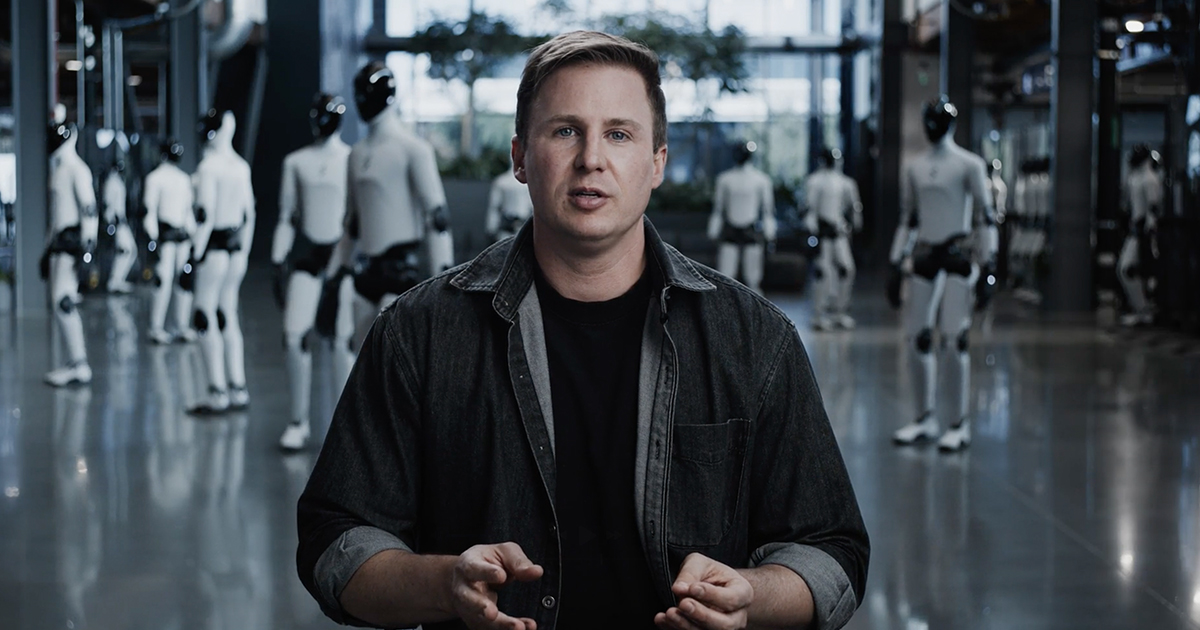
IPO proceeds, private valuations and multiyear compute purchases can all produce large headlines. They describe different claims on cash and different obligations.

Mistral’s industrial partnerships connect model development with memory infrastructure and semiconductor engineering, while leaving execution and customer economics to be proved.
The capital behind processors, memory, inference services, and compute capacity.
The chipmaker’s Series H, IPO and OpenAI capacity agreement connect a processor architecture to the larger challenge of financing and delivering inference.
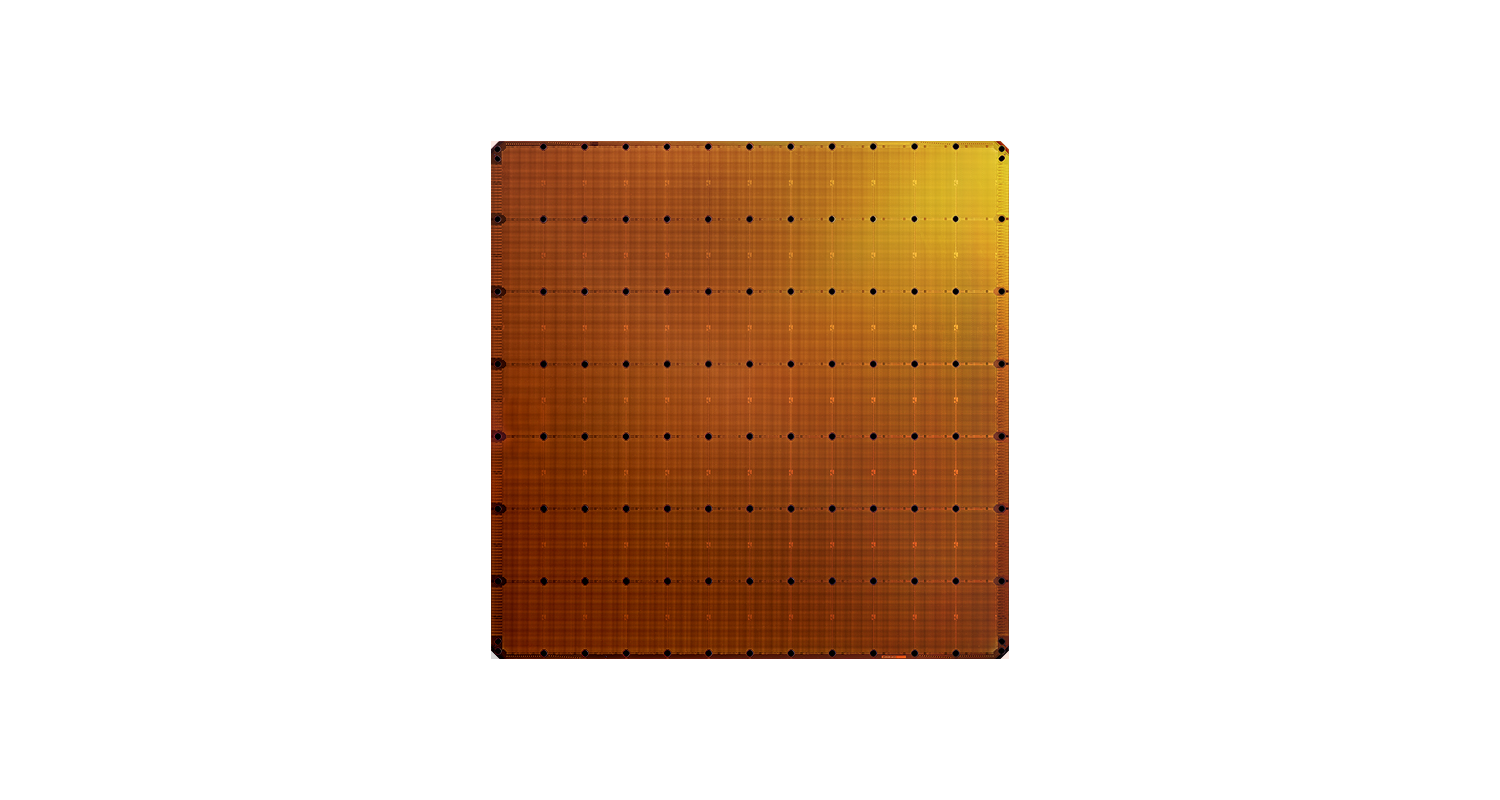
Gimlet’s planned use of Cerebras systems gives the architecture another route to customers. Software compatibility, utilization and delivery remain central to the economics.
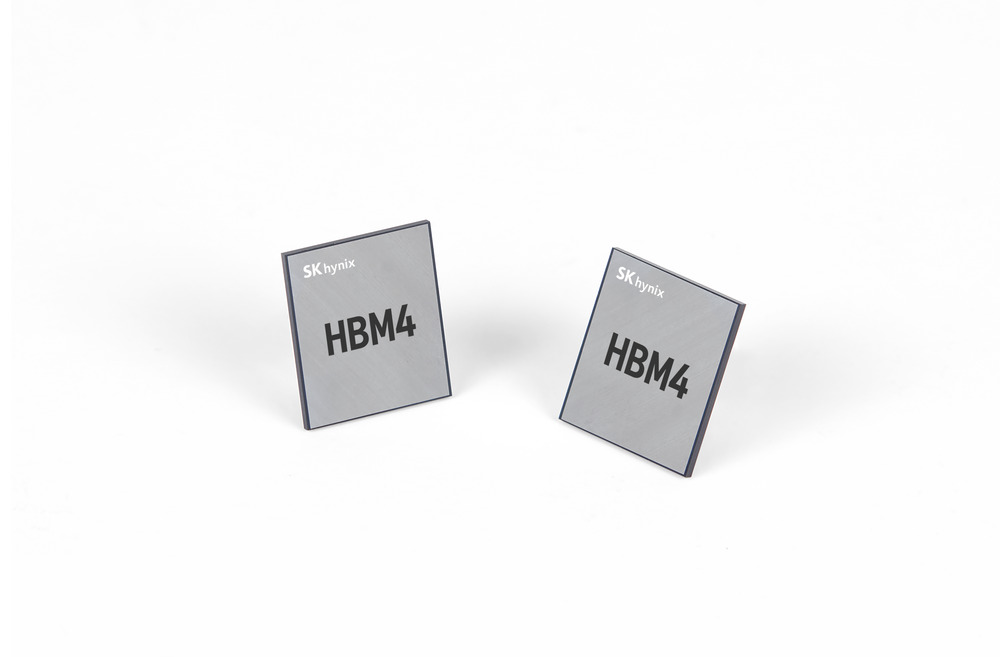
Model developers and chip suppliers are drawing closer as memory bandwidth, capacity and deployment cost constrain inference services.
Financing machines, manufacturing, simulation, and field deployment.
The June 2026 closing followed a March financing announcement that combined equity and preferred capital. The strategic question is how simulation changes Hivemind development and customer adoption.
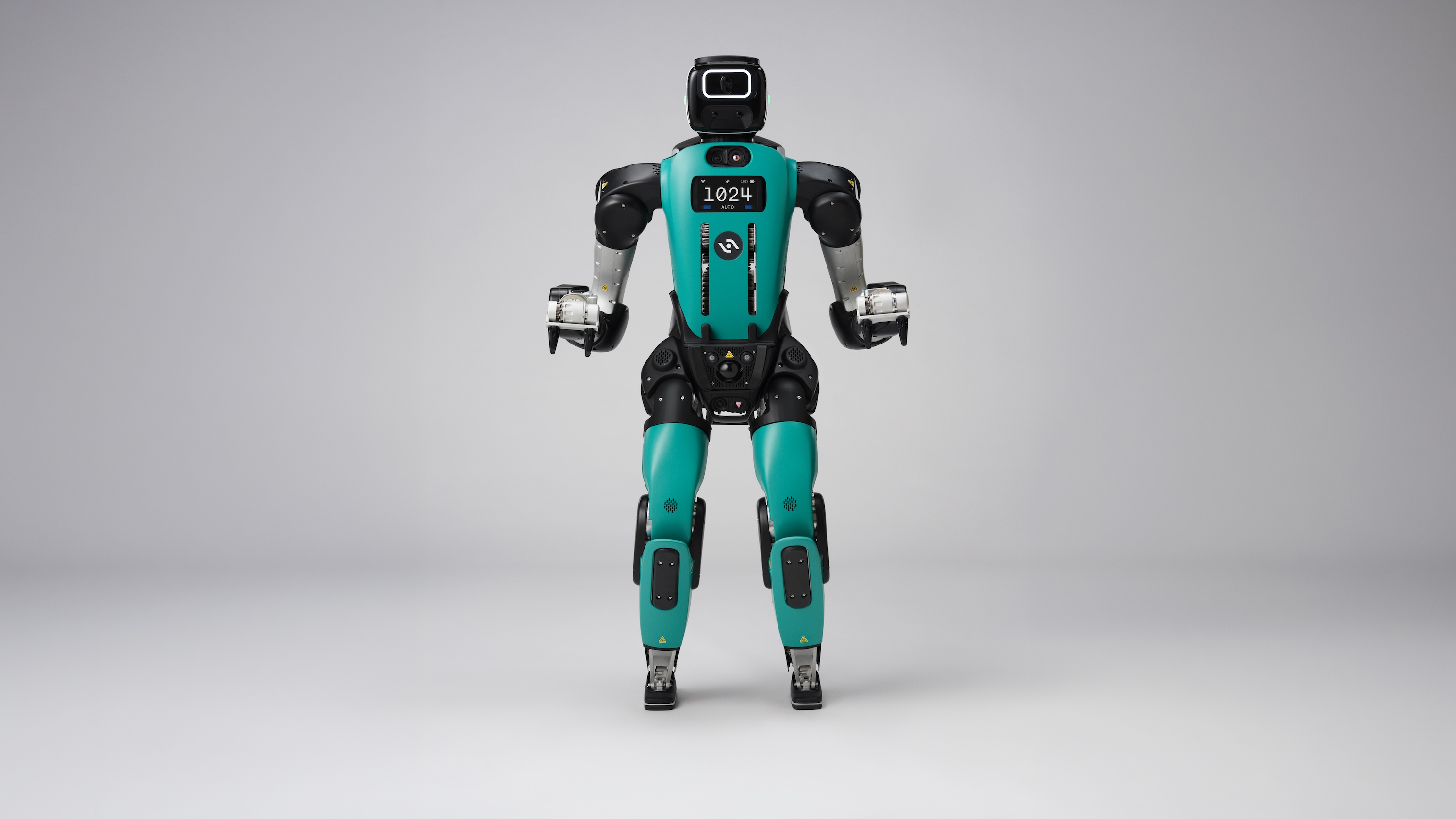
Figure’s BMW work and Nscale agreement address learning and compute; Agility’s Digit 5 launch adds a different view of orders, safety and deployment commitments.
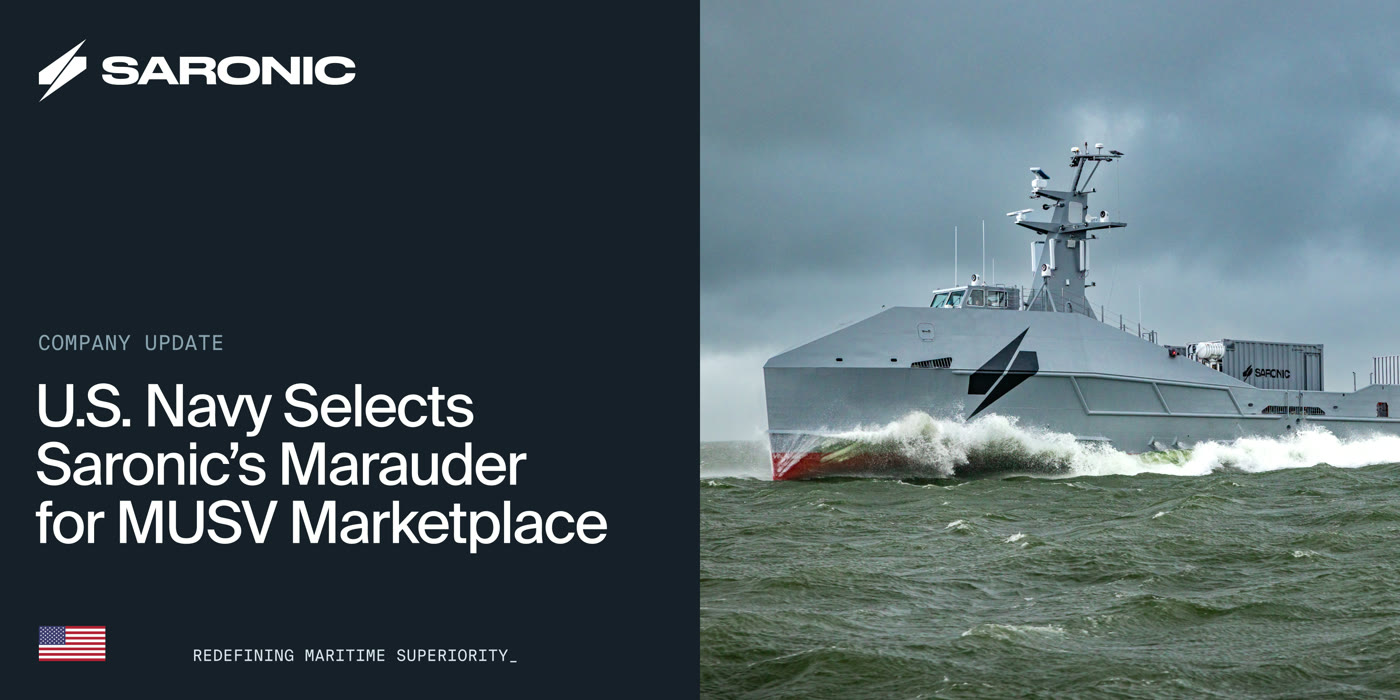
The company’s larger financing, Gulf Craft acquisition and on-water trials link autonomous software to shipyard capacity and the realities of maritime support.
The economics of model platforms and autonomous software businesses.
The company’s research on agent use adds evidence about changing workflows, but funding scale does not reveal the cost of completing a dependable customer task.
A large model round can fund technical independence. Turning that independence into a bank product requires integration, operational control and a clear division of responsibility.
Faster inference can remove one delay while leaving other sources of friction intact. Studies of real development work show why workflow outcomes need their own measurement.
From pilot projects to repeat customers, service revenue, and sustainable operations.
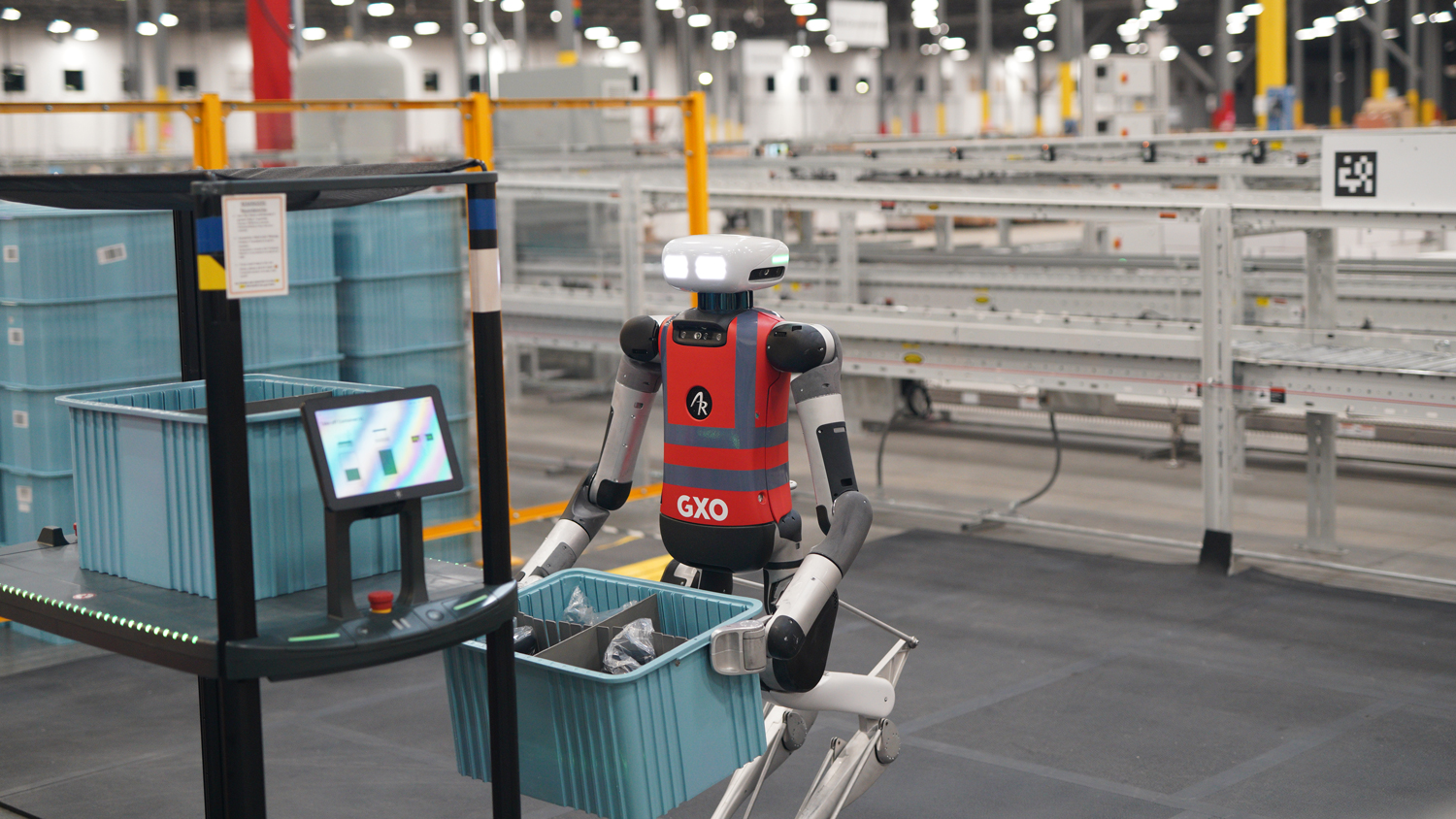
Digit’s contracted logistics work and later operating milestones offer more useful evidence than a demonstration alone, while new model orders still carry conditions.
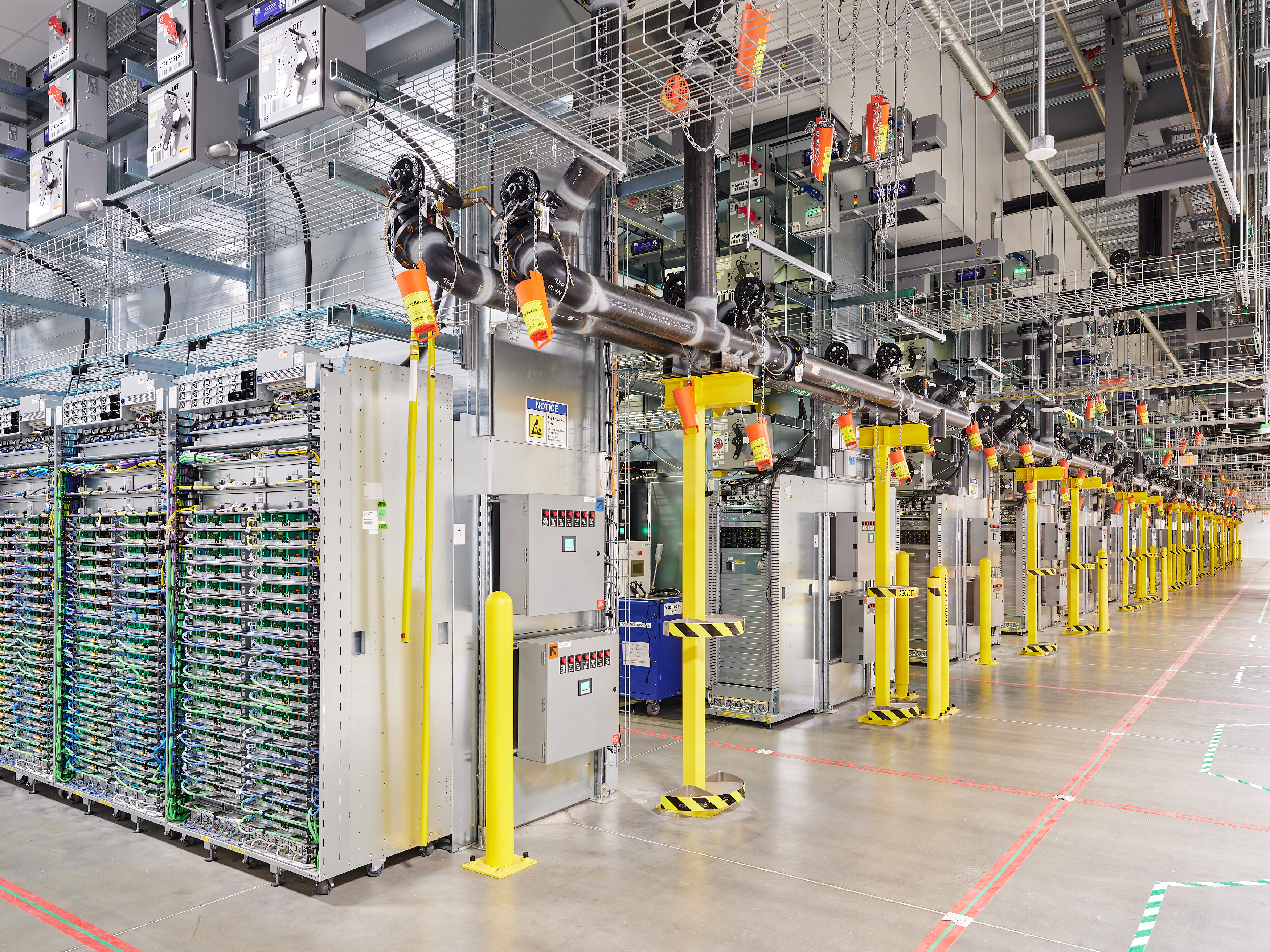
Utility agreements and cloud purchasing options show how timing can influence compute cost, but only workloads with genuine scheduling freedom can capture the benefit.

Figure’s production work and Agility’s fleet tools make the operating organization visible: maintenance, updates and recovery help determine whether an installation expands.