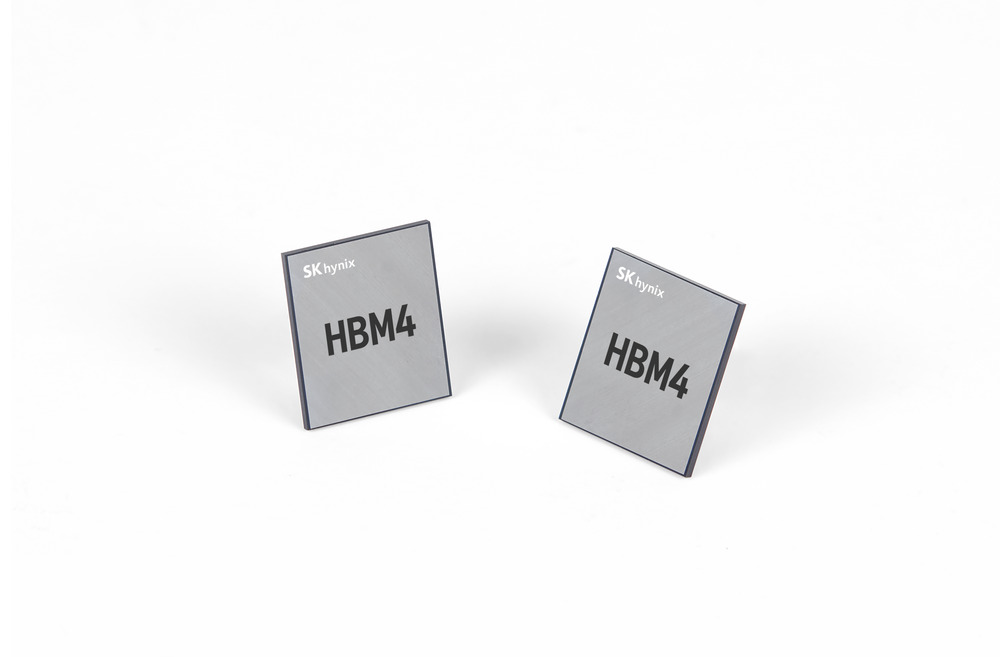
Samsung’s September 2026 partnership with Mistral tied a semiconductor company directly to a model developer’s infrastructure ambitions. The relationship brings the memory-and-compute supply chain into the capital story, while Micron’s HBM4 documentation shows why moving data is an engineering issue as well as a procurement issue. The official product documentation provides the memory supplier’s technical reference point. Samsung and Mistral strategic partnership, September 2026
Where expensive machines wait
The business question is simple: how much useful work can a customer obtain from an expensive system? If a workload spends time waiting for information to move, adding arithmetic capacity may not deliver the expected improvement. The exact bottleneck must be measured on the intended model and operating configuration.
Our interpretation is that autonomy investors should ask how a supplier reduces that waiting and what the reduction costs. More memory, faster interconnects and different model designs are possible responses. Each can change manufacturing complexity, software requirements and the work a machine supports at a given service standard.
Translate bandwidth into value
This creates opportunities outside the most visible chip brands. Tools that improve scheduling, compress information or expose idle resources may make infrastructure more productive. Their market is not established by total AI spending, however. It depends on a demonstrable improvement customers can purchase without unacceptable reliability problems or migration costs.
The commercial test is a before-and-after workload comparison with clear assumptions. What changes in response time, quality, concurrency and cost? Does the gain survive a realistic mixture of requests? Memory belongs in venture coverage because physical constraints eventually appear in software margins, service prices and the range of autonomous products businesses can afford. Technical differentiation becomes economically meaningful only through that translation.
A processor can be busy waiting
The economic problem is easiest to understand through a factory analogy. An expensive machine does not earn its keep if material arrives too slowly. In a computing system, data movement can play that limiting role. This does not imply that every AI workload is memory-bound; it means the bottleneck must be measured before a buyer assumes that more arithmetic capacity will solve it.
For a model-serving business, the difference appears in useful output per unit of installed infrastructure. If an upgrade allows the same service standard with fewer resources, it can improve margins. If the upgrade improves a resource that was not limiting performance, the benefit may be small. Component specifications need to be translated into a workload result.
Industrial investors see both demand and production
The Samsung-Mistral agreement gives one example of a supplier participating in the development of its potential demand environment. Such relationships can help companies understand future requirements earlier. They can also concentrate assumptions across the supply chain: a manufacturer expands for expected model demand while the model company plans around expected infrastructure availability.
That interdependence is not inherently a problem. It can coordinate investments that would otherwise be difficult to make. The financial question is whether commitments are supported by durable demand and whether each company can adapt if technology or customer behavior changes. Equity participation does not remove the need for clear purchasing terms and realistic delivery schedules.
Why an alternative architecture matters to investors
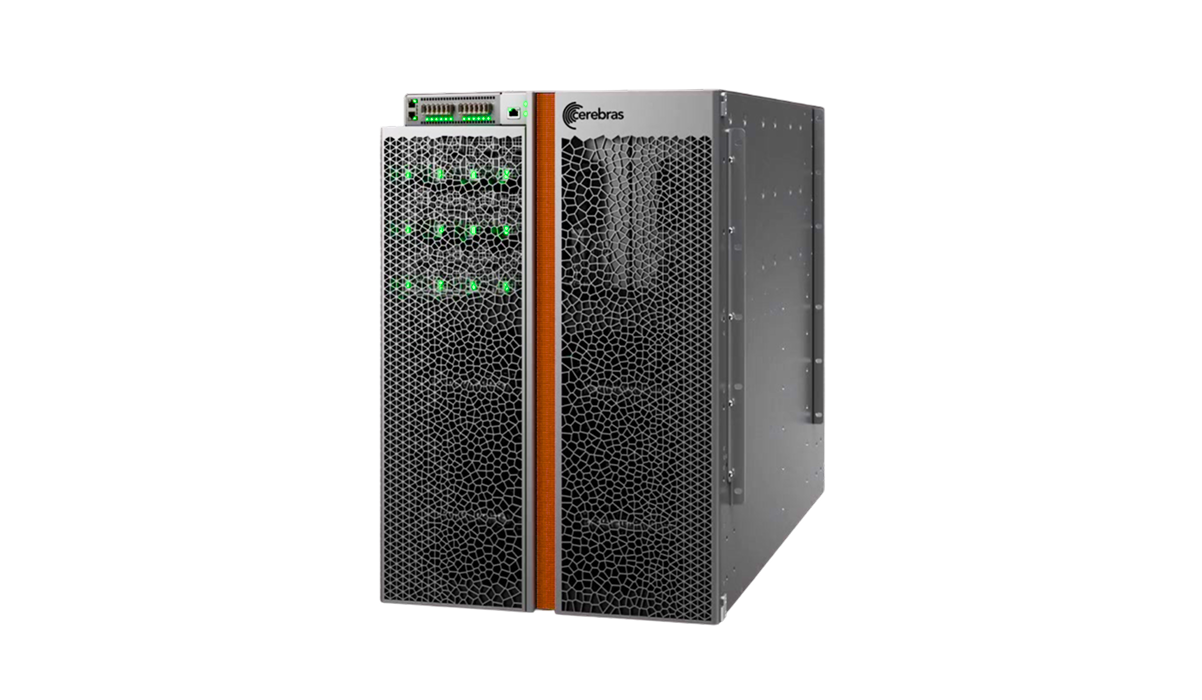
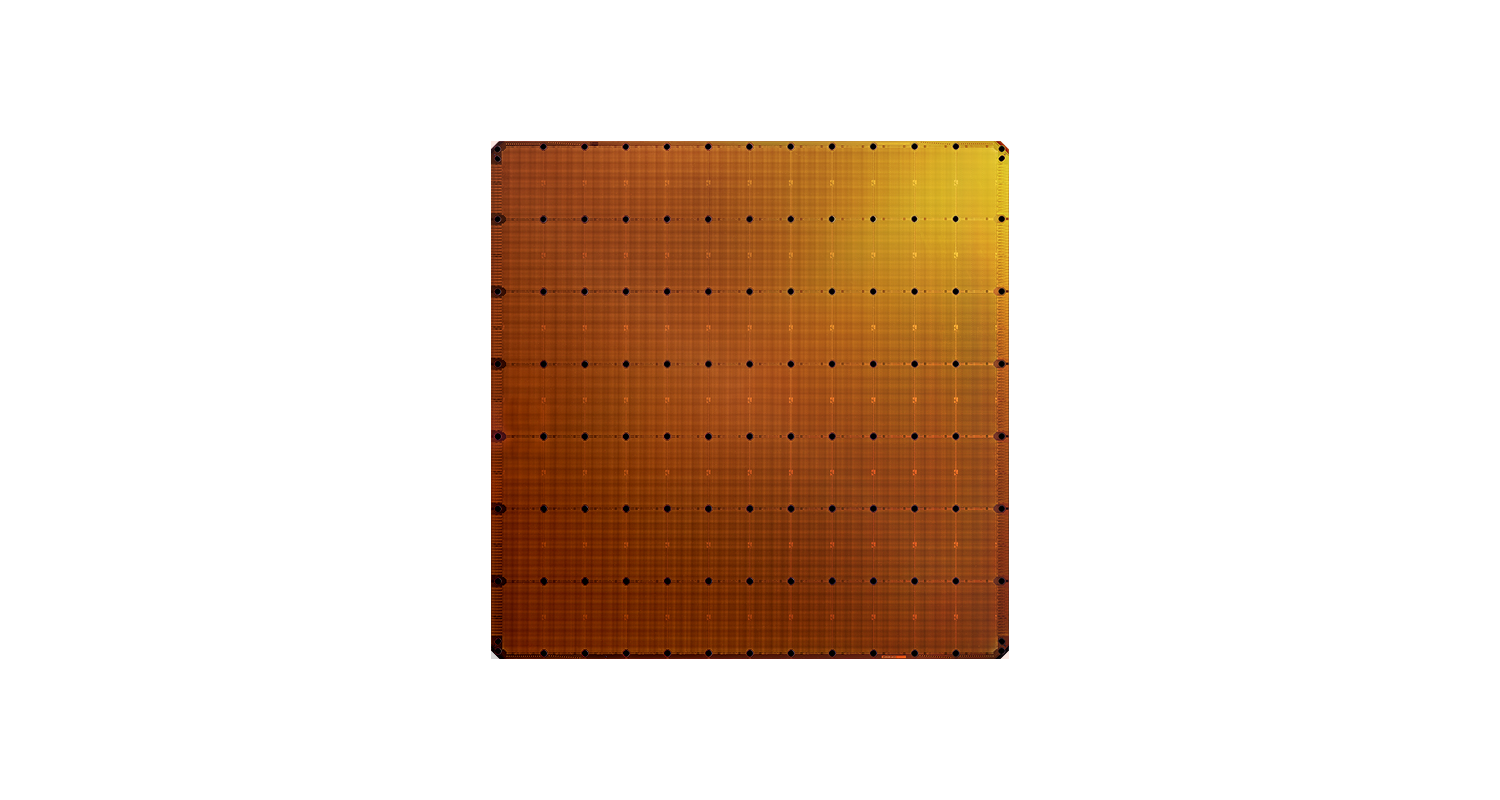
Cerebras’ 2026 public reporting described a business expanding systems and infrastructure rather than merely selling a chip design. Its existence as a competing architecture is relevant because customers have reasons to compare whole-system approaches to data movement and inference. The reporting does not establish that one approach is best for every model. Cerebras second-quarter results, August 2026
Competition can occur in memory capacity, communication, software efficiency or the way a system partitions work. An investor should identify exactly which limitation a company addresses and what new limitations its approach introduces. A solution that reduces one form of waiting may require a different deployment model, more specialized software or a narrower set of supported workloads.
The customer calculation needs a realistic denominator
Suppose a service can produce more tokens per second after an upgrade but also encourages customers to request longer answers. Its cost per token might improve while the cost of each completed task changes little. Conversely, a faster system might make an interactive workflow useful for the first time. These are different sources of value and deserve different measurements.
A practical evaluation should therefore retain both infrastructure metrics and business outcomes. Record power, memory use and throughput, then connect them to completed jobs, response deadlines and quality. Without that link, a supplier can win the component comparison while the customer sees little change in productivity or total expenditure.
Capital should follow the measured constraint
The opportunity for investors extends to software that schedules work more effectively or avoids unnecessary data movement. Those companies still need to prove that gains persist outside a carefully selected demonstration. Their addressable market should be grounded in a recurring customer problem and a deployment process buyers can actually complete.
Memory belongs in venture coverage because it can determine whether an autonomy product is affordable to operate. But the investment conclusion should remain specific: which workload improves, by how much, at what integration cost and under which operating conditions? That is more informative than assuming that every company adjacent to a constrained component automatically acquires pricing power.
Sources & evidence
This archive preserves its original editorial date. Sources describe the events and announcements discussed; they do not establish today’s status.