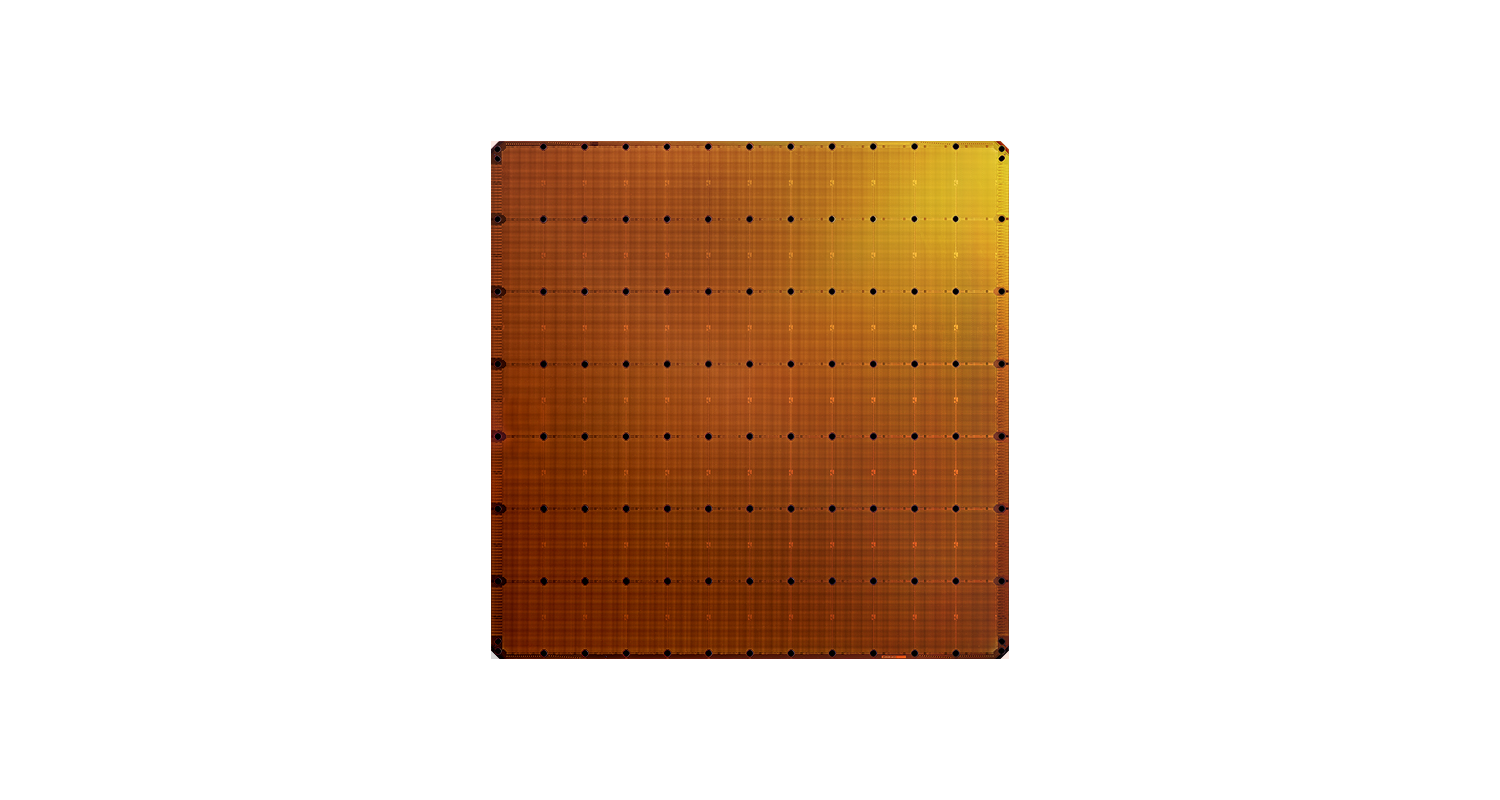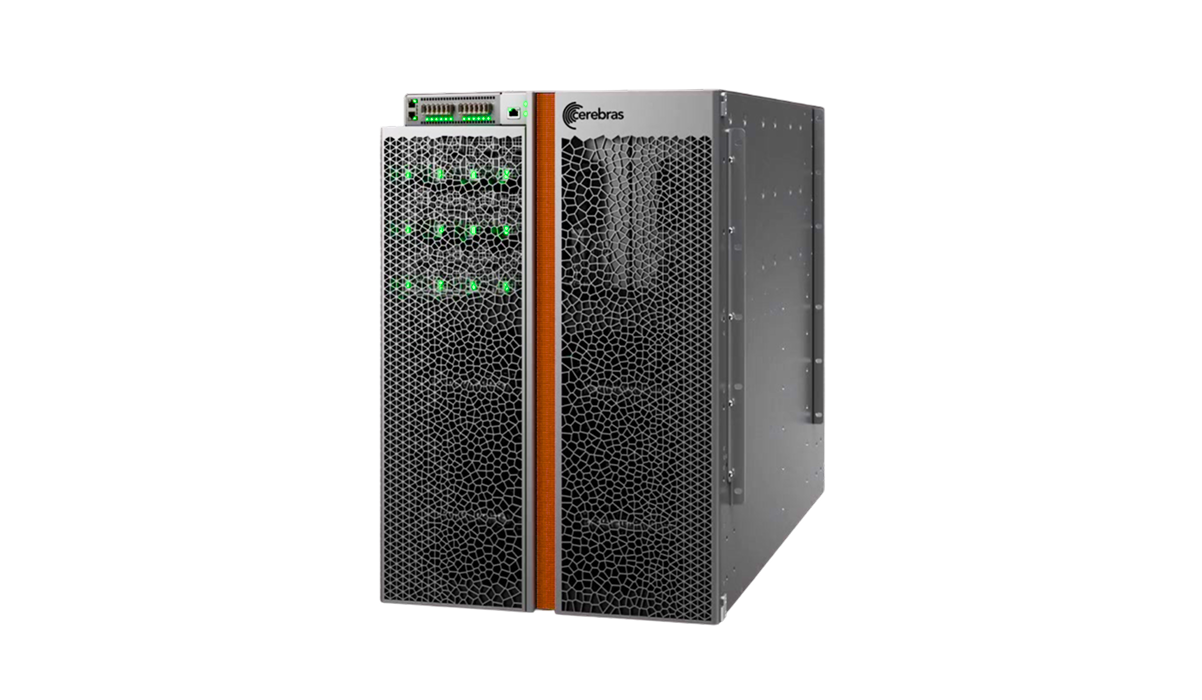
Cerebras entered 2026 as a privately financed chip company and reported public-market proceeds later in the year. Its June results release said it had raised $6.4 billion gross in an IPO, separately from a $1 billion Series H and a $1 billion OpenAI working-capital loan. The sequence shows why an inference supplier is also a financing and service-delivery business. Cerebras first-quarter results, June 2026
Cerebras' Series H release, posted February 4 with a February 3, 2026 dateline, reported a $1 billion close at an approximately $23 billion post-money valuation. It establishes a financing event, not the profitability of any particular workload. The original release is the reference point for those figures.
Performance has to survive the workflow
Consider an illustrative agent that performs several model calls before taking an action. Its total completion time includes waiting, retrieving information, calling tools and checking results. A faster inference stage can help, but the buyer should measure the full sequence. Otherwise, a striking component benchmark can conceal a modest improvement in the task that the customer actually values.
The relevant investor questions follow from that distinction. How much engineering is required to port a workload? Which models and execution patterns are supported? Does useful performance persist when demand becomes uneven? How much of the installed capacity is paid for and used? These are diligence questions, not claims about Cerebras' answers.
Autonomy links the customer and supplier balance sheets
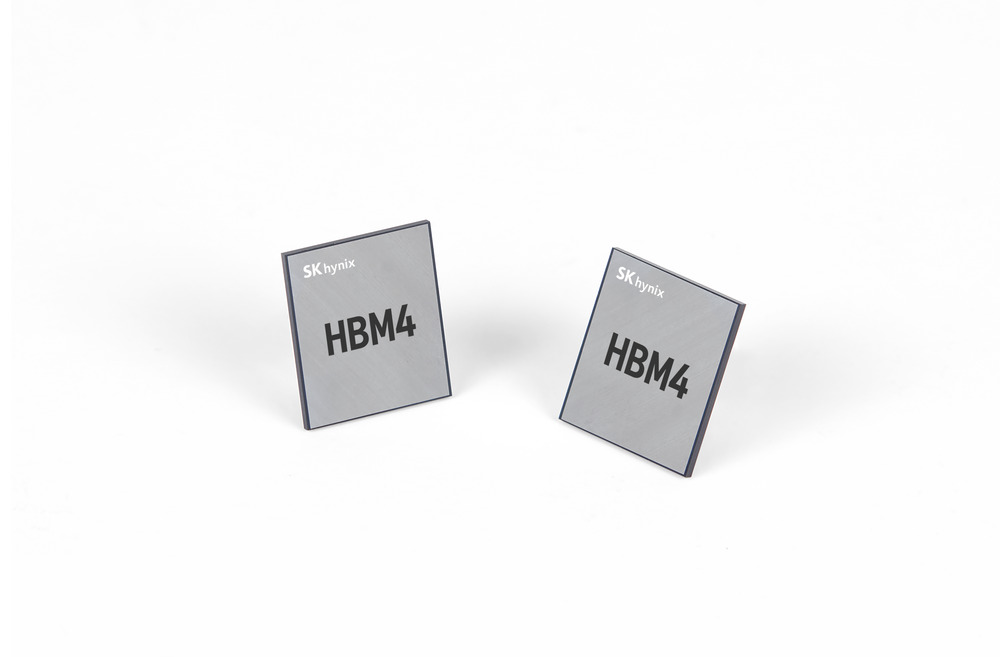
There is also a relationship between the companies building models and those supplying infrastructure. Anthropic's May Series H announcement named Micron, Samsung and SK hynix among strategic infrastructure partners investing in the round. The announcement illustrates how financing and the supply ecosystem can intersect; it does not disclose a complete picture of commercial terms.
Our interpretation is that a capital-flow map should record these relationships without collapsing them into one number. Equity investment, equipment purchases, compute commitments and supplier revenue describe different exchanges. Tracking each separately makes it easier to see where exposure is concentrated and whether a startup has multiple practical routes to serving its customers.
For an autonomy-focused investor, the useful result is a clear connection between the financed technology and the customer's workload. Strong chips can be important. A repeatable, economical service is the business that must ultimately be built around them.
The customer relationship is also a capacity obligation
OpenAI’s January 14, 2026 announcement described a partnership to add 750 megawatts of Cerebras compute. That is a capacity plan, not a statement that 750 megawatts had already entered service on announcement day. It identifies the scale of a delivery obligation whose implementation requires equipment, electricity, operational support and a sequence of deployments. OpenAI Cerebras partnership, January 2026
For investors, the distinction changes the question from whether a chip is fast to whether the supplier can deliver a contracted service economically. A large customer can reduce uncertainty about demand while increasing exposure to one relationship. The customer may also have unusual leverage over schedules, specifications and pricing because its workload represents such an important part of the supplier’s expansion.
Gimlet illustrates a different division of responsibility
On September 28, Reuters reported an agreement under which Cerebras would supply systems representing roughly 100 megawatts to Gimlet Labs, which would maintain and operate them after delivery. That allocation of responsibilities differs from treating Cerebras as the operator of every system using its hardware. The company-hosted Reuters report is independent reporting, not a second corporate press release. Reuters: Cerebras and Gimlet, September 2026
The division matters to margins and execution risk. An equipment seller must manufacture and support the product; a service operator must also manage utilization and delivery to end users. A supplier can participate in both models, but an investor should not assume that a dollar of revenue in one carries the same costs or recurrence as a dollar in the other.
Capital arrives before the full economics are visible
Cerebras’ August 2026 results release reported an additional revolving credit facility of up to $850 million. A facility ceiling is not the amount drawn, just as gross IPO proceeds are not net cash available after every transaction expense. These distinctions matter when assessing resources for construction and deployment. They prevent an impressive capital total from becoming an unsupported cash-balance estimate. Cerebras second-quarter results, August 2026
The financing mix also suggests why the operating timetable deserves attention. Equity can absorb uncertain development spending. Borrowing can help bridge equipment and customer-payment schedules, but it creates obligations that remain even when a deployment takes longer than expected. Without full contract terms, an outside reader cannot calculate every exposure. The appropriate response is to identify the uncertainty rather than assume it away.
What would establish a durable service business
The evidence to follow is delivery against contracts, customer diversification and useful performance under sustained load. A public filing provides a more detailed reporting baseline than a fundraising headline, but no single quarter resolves the long-term economics. New installations must become productive without requiring an ever-growing amount of working capital for each unit of revenue.
Autonomy makes this a particularly consequential test. Agents and interactive tools can benefit from quick inference, yet they also expose latency outside the model itself. The winning proposition must join fast hardware with reliable integration and a price customers can support. Capital can finance that bridge; only repeated service delivery shows that the bridge reaches a sustainable business.
Sources & evidence
This archive preserves its original editorial date. Sources describe the events and announcements discussed; they do not establish today’s status.