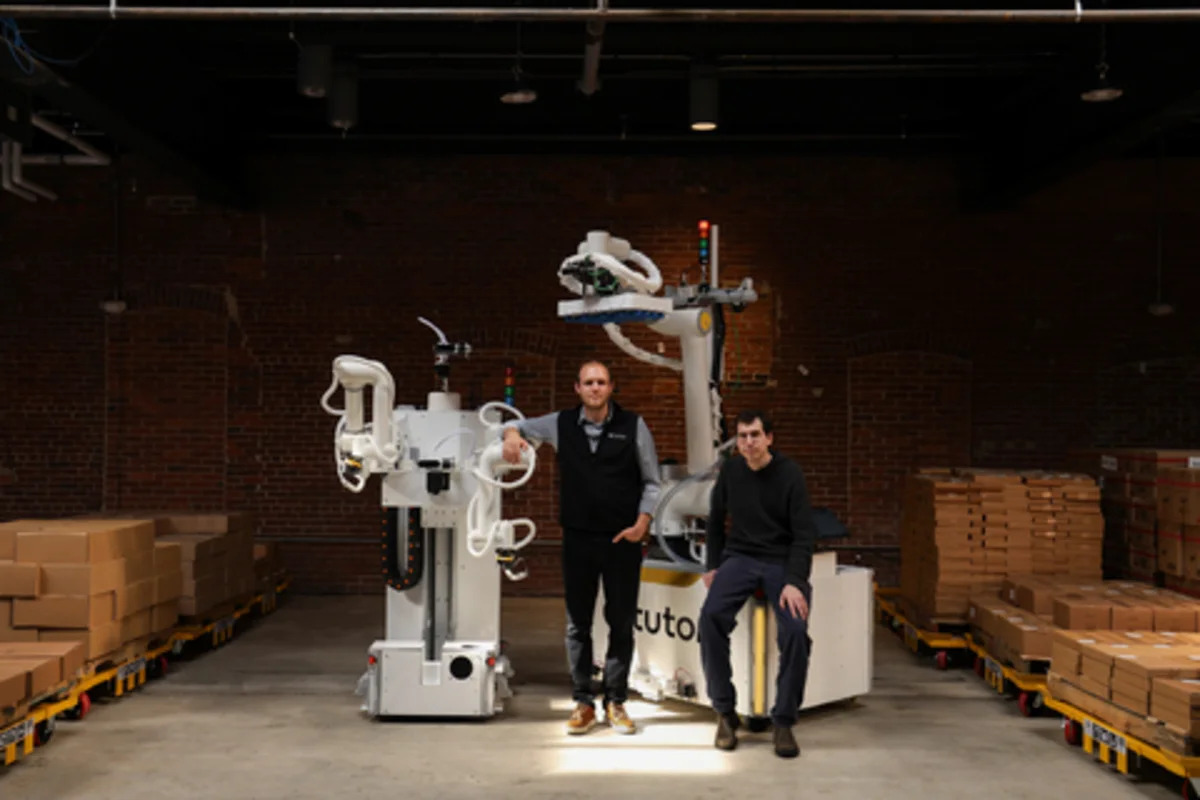
Tutor Intelligence announced a $75 million Series B led by Andreessen Horowitz on November 2, with participation from Union Square Ventures and Neo. The round brings the company’s reported total capital raised to $117 million. Planned uses include manufacturing, robot deployment and model development.
Funding spans hardware and service
The company offers work by the hour or pick without an upfront robot purchase or long-term customer contract. Tutor handles deployment and maintenance and uses remote human operators to assist robots. That model lowers a customer’s initial commitment while leaving the supplier responsible for financing and supporting the equipment.
Usage pricing reallocates operating risk
Scaling the service depends on utilisation as well as technical capability. Hardware sitting between assignments, service visits and operator attention all affect contribution economics. A learning system could improve those economics if it reliably lowers assistance while preserving task completion.
What would establish scalable economics
The financing expands resources for that operating model, but does not establish its margins. Investors and customers need evidence on repeat use, hardware payback, support cost per completed task and performance across installations. The meaningful milestone is profitable, repeatable delivery of useful work rather than fleet growth alone.
Image: Tutor Intelligence / source announcement. Used for source-attributed editorial reporting; rights remain with the owner.
Sources & evidence
Sources describe the announcements and evidence available when this analysis was published. Company claims are attributed; plans and trials are not treated as sustained operation.