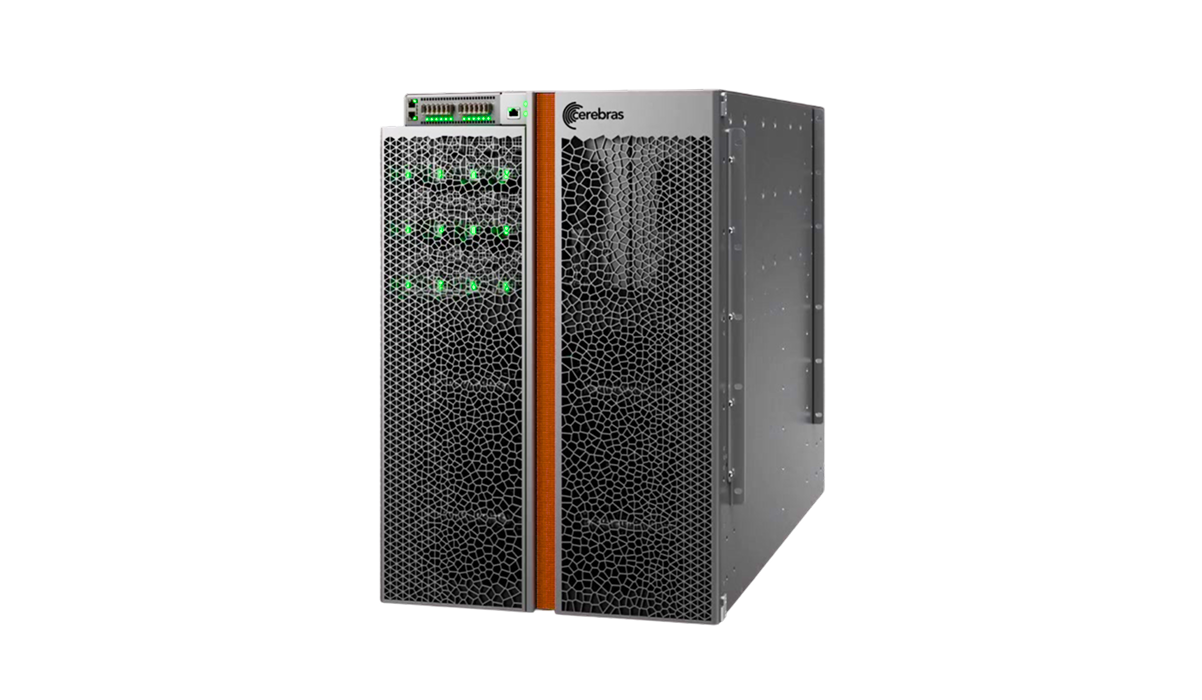
Mistral’s industrial relationships now extend from ASML’s 2025 investment to Samsung’s September 2026 partnership. The attraction is not just a larger investor list. Industrial customers can expose AI developers to difficult, valuable workflows—but a strategic relationship still has to become a product people use and pay for. Samsung and Mistral strategic partnership, September 2026
Turn problems into products
Our analysis focuses on a possible feedback loop. An industrial customer supplies difficult use cases; a model developer turns requirements into products; the relationship helps establish credibility with other buyers. Whether that loop works depends on execution, rights to information and rigorous evaluation of the business value created.
The benefit is not merely compute access. A startup needs to know which problems justify expensive computation. Engineering organizations may value reliable retrieval, controlled experimentation or technical workflow assistance more than a broad demonstration. Close relationships can help avoid financing capabilities that look impressive but remain difficult to monetize.
Watch for concentration
There is a countervailing risk. Building too closely around one partner can create a product that fits that partner unusually well and transfers poorly elsewhere. Investors should distinguish reusable capability from paid customization. They should examine whether a prestigious relationship obscures concentration in revenue, influence or the product development agenda.
The strongest evidence arrives after the financing headline: repeated use, measurable improvements and contracts rewarding both sides. Industrial distribution can make model development more commercially grounded. It does not remove the need to prove that a broader market exists, customer information can be protected and the product earns more than its delivery cost. The partnership matters through those outcomes, not its symbolism.
A design-in is a long commercial conversation
Industrial technology is rarely adopted because a general demonstration looks impressive. The customer needs to know how the product fits its information, engineering process and responsibility structure. The supplier must understand which mistakes are tolerable, which require review and which would be too costly. That work can create defensible knowledge, but it also consumes engineering resources.
ASML’s 2025 announcement made the partnership explicit rather than leaving readers to infer it from a financing round. The company’s own release describes the industrial collaboration alongside the investment. Samsung’s later agreement adds another industrial context. These relationships deserve follow-up because the commercial payoff depends on the applications that emerge, not simply on the identity of the shareholders or the amount of capital raised.
A manufacturing example clarifies the standard of proof
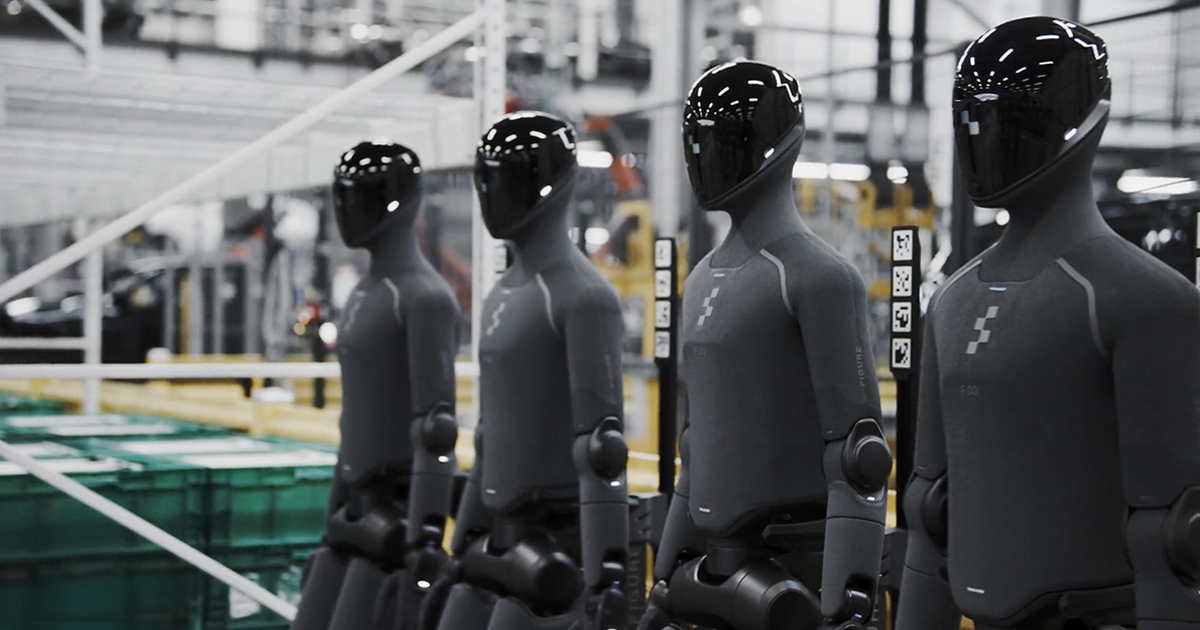
Figure’s June 30, 2026 BMW announcement described Figure 03 performing a sequencing workflow at Spartanburg. It was presented as a demonstration of a new generation and task, following Figure 02’s earlier deployment. The distinction between an established use and a new demonstration is useful beyond robotics: changing the task can reopen the proof required for adoption. Figure 03 at BMW, June 2026
A model supplier entering an industrial workflow faces an analogous challenge. Success on one class of documents or engineering questions does not establish dependable performance on another. The customer needs evidence tied to the actual work. A prestigious reference can open the door, but it cannot substitute for testing the new context and agreeing how failures will be handled.
Customization can either teach or trap the supplier
Work for a demanding customer can reveal features that many other customers need. In that case, customization becomes a route to a stronger platform. It can also produce a collection of one-off integrations that require separate maintenance. The difference may not be obvious in early revenue, especially when the first customer is willing to fund substantial development.
An analyst should therefore ask which parts of the work become reusable: evaluation methods, connectors, permission controls, model adaptations or operating procedures. Revenue from a bespoke project may be attractive, but it should not be valued as though every new customer can be served with the same incremental effort as a standardized software subscription.
Data control is part of the buying decision
Industrial information can embody years of process knowledge. Customers may reasonably want tight control over where it goes and how it is used. A supplier’s technical architecture and contractual commitments must match that expectation. General assurances about enterprise AI are less informative than a clear account of access, retention and deployment responsibilities.
These requirements can shape the product itself. A model that is easy to use in a public service may require different management and support when deployed in a restricted industrial environment. The opportunity is substantial if the supplier solves that transition repeatedly. The cost can also be substantial if each customer requires a fundamentally different operating arrangement.
What would make the partnership commercially persuasive
The strongest evidence would show repeated use, measurable improvement and expansion beyond the initial sponsor. It would distinguish assistance that saves engineering time from automation that replaces a step entirely. Both can have value, but they produce different requirements for reliability, oversight and pricing. A single broad claim about productivity conceals those distinctions.
Mistral’s industrial backing is therefore best read as access to demanding markets and a possible source of product learning. It is not proof that all those markets have been captured. The important next chapter is whether the company can turn partner-specific work into capabilities other customers can adopt while preserving the data control and operational discipline industrial organizations require.
Sources & evidence
This archive preserves its original editorial date. Sources describe the events and announcements discussed; they do not establish today’s status.